

Selling an old house in Harlan, IN, that requires significant repairs can feel like an overwhelming task. Whether the house is old due to wear and tear, outdated systems, or even long-standing neglect, it’s important to approach the sale with a clear understanding of your options and the steps involved. While the traditional route of listing with a real estate agent may seem like the obvious choice, many homeowners find that selling an old house that needs work requires a different strategy.
Whether you’re looking to sell an inherited house, move to a new property, or simply want to unload a home that has seen better days, you’re likely asking yourself: Should I repair it before selling or sell it as-is? The answers to these questions are nuanced and depend on several factors including costs, time, market conditions, and your personal goals. In this comprehensive guide, we’ll break down the essential steps, pricing strategies, and selling options you can consider when looking to sell your old house that needs work in Harlan, IN.
Understanding the Challenges of Selling an Old House
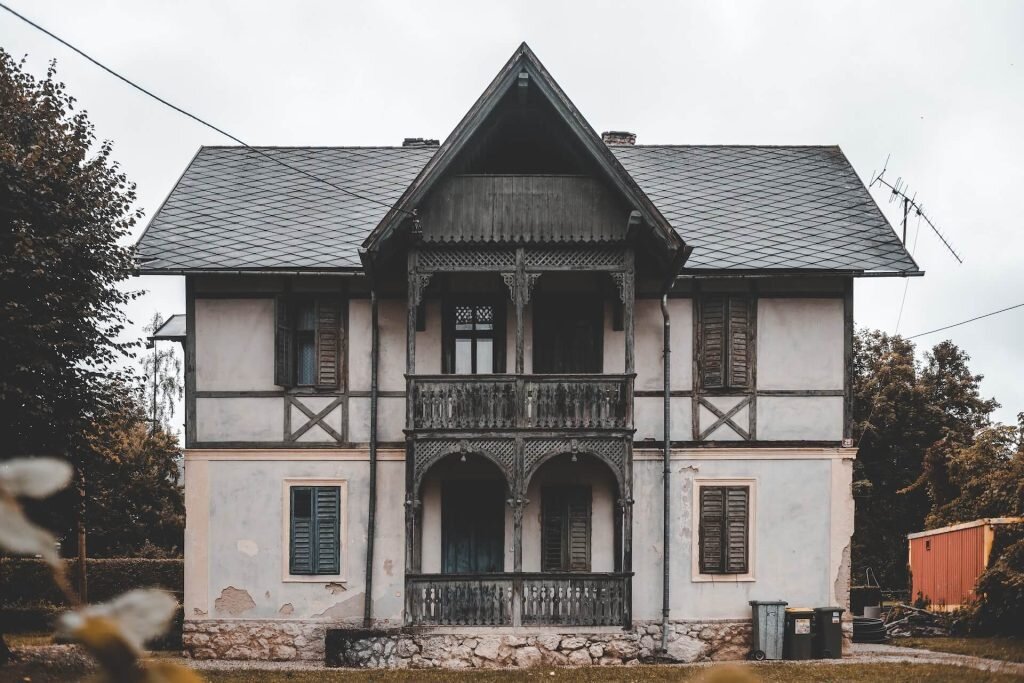
Why Old Houses May Be Harder to Sell
Old houses come with their own unique set of challenges when it comes to selling. There are several reasons why selling an older home might be more difficult compared to selling a newly constructed or well-maintained property. Here are the most common reasons:
- Structural Issues: Over time, foundations can shift, walls may crack, and floors may become uneven. Such structural issues can significantly lower the perceived value of the home.
- Outdated Plumbing, Electrical, and HVAC Systems: Homes built several decades ago often have plumbing and electrical systems that are outdated and may not meet current safety codes. HVAC systems may also be inefficient and costly to repair.
- Cosmetic Damages: Even if the foundation and systems are sound, older homes often suffer from worn-out flooring, outdated kitchen and bathroom features, and faded paint that can make them less attractive to potential buyers.
- High Repair Costs: Buyers often factor the cost of necessary repairs into their offers. If your house needs significant work, many buyers may be discouraged by the prospect of high renovation costs.
While these challenges may sound discouraging, it’s also important to note that there are buyers in the market specifically looking for homes they can renovate. As a result, these homes may still sell, but they often require a more targeted approach to reach the right audience.
The Benefits of Selling a House That Needs Work
While selling a home that requires repairs or upgrades may seem daunting, there are also several benefits to this type of sale:
- Faster Sale Process: One of the main benefits of selling a house that needs work is the speed of the transaction. Investors and cash buyers often prefer homes that require renovation because they can fix them up and flip them for profit. This can lead to a quicker sale compared to waiting for a traditional buyer who may hesitate due to the repairs needed.
- Avoid Expensive Repairs: Making repairs and renovations can be expensive. By selling the house as-is, you avoid the financial burden of fixing the property before listing it. This means you can skip the costs associated with remodeling kitchens, replacing roofing, or updating plumbing.
- Appealing to a Broader Buyer Pool: Although many traditional buyers may shy away from a home in need of repairs, there are many investors and house-flippers actively looking for properties to renovate. By targeting these buyers, you can quickly move the house off your hands without having to make costly repairs.
Selling a house in need of work allows you to sell quickly, without the need to pour in money or time on repairs, which makes it an attractive option for many homeowners.
Assessing the Condition of Your House
Before deciding how to sell your home, it’s important to fully assess its condition. Understanding the state of your home will help you make informed decisions about whether or not to repair it before selling or whether you’re better off selling it as-is.
Evaluating the Damage
When assessing the condition of your home, consider both the obvious and hidden areas of concern. Here’s a breakdown of common areas to evaluate:
- Foundation and Structural Issues: Check for cracks in the foundation, uneven floors, or walls that are leaning. These are signs that the house may have structural issues. Foundation problems are among the most costly repairs, so it’s important to factor these into your decision.
- Plumbing and Electrical Systems: Have the plumbing and electrical systems been updated? If the pipes are old and the wiring is outdated, it could present significant challenges during the selling process. Outdated plumbing and electrical systems can be a major turn-off for potential buyers.
- Roof and Exterior Condition: Inspect the roof for missing shingles, water damage, or leaks. Check the exterior of the home for signs of rot, peeling paint, or other wear and tear. A neglected roof or exterior can result in large repair costs.
- Interior Condition: Inside the home, look for signs of water damage, mold, or mildew, particularly in bathrooms and basements. Inspect the condition of flooring, windows, and doors. These are all items that could significantly impact the sale of the property.
Should You Fix the House Before Selling?
One of the most common questions homeowners ask is whether it makes sense to repair their house before listing it on the market. The decision to make repairs should be weighed carefully based on several factors:
- Costs of Repairs: Repairs can be expensive, and sometimes the cost of making updates and fixes might not justify the potential increase in the home’s value. The price of upgrades like a new roof or modernized electrical systems may not always bring a significant return on investment.
- Return on Investment (ROI): It’s important to evaluate whether the repairs will increase the home’s value enough to justify the investment. For example, a new roof can add significant value to the home, but less critical repairs like replacing dated carpets may not yield as much return.
- Time and Effort: Repairing a house before selling it requires time and effort. Consider whether you’re able to commit the time to the project. You’ll need to hire contractors, oversee work, and be prepared for the house to be off the market during the renovation process.
Here are some of the most common repairs that homeowners might consider before listing:
| Repair Type | Estimated Cost Range | Impact on Sale Price |
|---|---|---|
| Roof Repairs | $5,000 – $10,000 | High |
| Plumbing Updates | $2,000 – $5,000 | Moderate |
| Cosmetic Updates (Paint, Flooring) | $500 – $5,000 | Low |
| Electrical Upgrades | $2,000 – $7,000 | Moderate to High |
In some cases, it may be better to sell the home as-is, particularly if the cost of repairs outweighs the potential increase in sale price.
Options for Selling an Old House That Needs Work
Once you’ve assessed the condition of your home, the next step is deciding how to sell it. There are multiple avenues available for selling a house that needs work, each with its own advantages and disadvantages.
Selling Through a Real Estate Agent
Listing your home with a real estate agent is the traditional route and works well for many sellers. However, it’s not always the best option for a house that needs repairs. Here are the key pros and cons of using a real estate agent:
- Pros:
- Broad Market Exposure: Real estate agents can list your home on MLS, which gives it exposure to a wide range of buyers.
- Professional Guidance: Agents help with pricing, staging, and negotiations, ensuring that you get the best deal possible.
- Cons:
- Higher Expectations from Buyers: Buyers may expect repairs to be made before purchasing, which could reduce interest in your property.
- Time on Market: If the home needs significant repairs, it may take longer to sell, especially if it’s priced too high.
Selling to Cash Buyers or Investors
Selling to cash buyers or real estate investors is often the fastest and most efficient way to sell an old house that needs work. Here’s why:
- Pros:
- Quick Sale: Cash buyers can typically close in as little as one week, which is ideal for homeowners needing to sell quickly.
- No Need for Repairs: Cash buyers are often willing to purchase homes as-is, which means you don’t have to worry about repairs or upgrades.
- Certainty of Sale: Once you accept an offer from a cash buyer, the sale is generally guaranteed, unlike traditional sales where the buyer may back out after an inspection.
- Cons:
- Lower Sale Price: Cash buyers will often offer less than the market value for the home, as they are factoring in the costs of repairs and their own profit margin.
- Less Negotiation Room: Cash buyers typically have firm offers, and there may be limited room for negotiation on price.
For Sale by Owner (FSBO)
If you’re looking to avoid agent commission fees and have the time and expertise to manage the process, selling your home as a “For Sale By Owner” (FSBO) may be the best route.
- Pros:
- Save on Commission Fees: FSBO allows you to avoid paying the 5-6% commission fee typically required when using an agent.
- Control Over the Process: You have full control over pricing, marketing, and negotiations.
- Cons:
- Limited Exposure: Without MLS listings and the agent’s network, you may not reach as many potential buyers.
- Negotiation and Paperwork: You’ll need to manage negotiations and the legal paperwork yourself, which can be challenging without professional help.
Pricing Your Home Correctly
Pricing your home correctly is one of the most critical steps when selling an old house that needs work. If the price is too high, you may scare off potential buyers, but if it’s too low, you risk losing money.
Factors That Influence Pricing for an Older Home
Several factors should be taken into consideration when pricing your home:
- Location: Homes in desirable areas of Harlan, IN, typically sell for more, even if they need repairs.
- Condition of the Home: The amount of work needed will play a big role in determining the price.
- Comparable Market Analysis (CMA): A CMA compares your home to similar properties in the area that have recently sold. This helps you gauge an appropriate asking price based on local market trends.
How to Set a Realistic Price
- Cost of Repairs vs. Potential Sale Price: Carefully weigh the costs of any repairs against the price you can reasonably expect to get from the sale.
- Use Professional Tools: Work with a real estate agent or use online tools to get a Comparative Market Analysis to set the right price based on similar homes in the neighborhood. You can also read more about how to price your home effectively in this helpful guide from Redfin.
How to Market Your Old House in Harlan, IN
Effective marketing is crucial to selling your home, especially when it needs work. Here’s how you can market your old house in Harlan, IN, effectively:
Effective Marketing Strategies
- Online Listings: List your home on popular real estate platforms such as Zillow, Realtor.com, and Craigslist.
- Local Advertising: Consider local options like community bulletin boards or newspapers in Harlan, IN, to attract more local buyers.
- Social Media and Word of Mouth: Use social media platforms to share photos and details about your home. Word of mouth can also be a powerful marketing tool.
Highlighting the Potential of the Property
Make sure to emphasize the potential of your home in your marketing materials. Buyers may not be interested in the current condition of the property, but they may see the potential for renovation or a profitable flip.
Legal Considerations and Disclosure Requirements
Disclosing Property Issues
When selling a house in Harlan, IN, you are legally required to disclose any known issues with the property. Failing to disclose issues like water damage, foundation problems, or mold can lead to legal complications. You can learn more about Indiana’s disclosure requirements in this guide on seller disclosures in Indiana.
Contract and Closing Process
Once you’ve found a buyer, you’ll enter the closing process. This includes signing the sales contract, finalizing terms, and transferring ownership of the property. Make sure you understand the contract terms and seek legal advice if necessary.
Alternatives to Selling the House
Renting the Property
If selling your house doesn’t feel like the right option, renting it out might be a good alternative. Renting can provide you with steady income and give you more time to decide whether to sell later.
Renovation and Flip Option
Renovating your old house could be an option if you’re willing to invest some money and effort. Flipping the house may provide a higher return on investment if done correctly.
Frequently Asked Questions (FAQs)
Q. What is the best way to sell an old house in Harlan, IN?
Answer: The best way to sell an old house in Harlan, IN, is by evaluating its condition first. You can either sell as-is to cash buyers or make necessary repairs for a higher asking price.
Q. How long does it take to sell a house that needs work in Harlan, IN?
Answer: Selling a house that needs work in Harlan, IN, can take anywhere from a few weeks to a few months, depending on the buyer type and whether repairs are made.
Q. Should I fix my old house before selling in Harlan, IN?
Answer: It depends on the cost of repairs and the expected ROI. If repairs are costly and won’t increase the sale price significantly, selling as-is to cash buyers may be the better option.
Q. What are the benefits of selling a house as-is in Harlan, IN?
Answer: Selling a house as-is in Harlan, IN, saves you money on repairs, offers a quicker sale, and attracts cash buyers or investors who are ready to purchase properties for renovation.
Q. How do cash buyers determine the price for a house that needs work?
Answer: Cash buyers typically consider the cost of repairs, the house’s current market value, and their desired profit margin when determining the price for a home that needs work.
Q. Can I sell a house with structural problems in Harlan, IN?
Answer: Yes, you can sell a house with structural problems in Harlan, IN, especially if you sell to cash buyers or investors who specialize in fixer-uppers and are prepared to handle the repairs themselves.
Conclusion
Selling an old house that needs work in Harlan, IN, may seem like a daunting task, but with the right guidance and strategy, it can be a smooth and rewarding process. By carefully assessing your home’s condition, weighing your options, and choosing the right selling method, you can ensure a successful sale. Whether you decide to make repairs before listing, work with a real estate agent, or sell directly to cash buyers, understanding your home’s unique challenges and the market conditions will help you get the best deal.
At Indiana Home Solutions LLC, we specialize in helping homeowners in Harlan, IN, navigate the complexities of selling properties that need work. Whether you’re looking to sell quickly or avoid costly repairs, we can guide you through every step of the process, ensuring a smooth and hassle-free experience. Contact Indiana Home Solutions LLC today to learn more about how we can assist you in selling your house fast and for cash.