

When a loved one passes away, their estate often enters a legal process known as probate. Probate is the process of administering a deceased person’s estate, ensuring that their debts are paid and their assets are distributed according to their will (or state law, if there’s no will). One of the most common assets that might go through probate is real estate, particularly a house. If you’re in North Highlands, IN, and wondering if you can sell a house in probate, the short answer is yes — but the process comes with certain steps and requirements. This guide will provide a detailed look at selling a house in probate in North Highlands, IN, including the steps involved, challenges you may face, and how to make the process as smooth as possible.
What Is Probate?
Definition of Probate
Probate is the legal process through which a deceased person’s will is validated, and their assets are distributed to heirs and beneficiaries. If there is no will, the court appoints an administrator to distribute the estate according to state laws.
Why Does a House Go Through Probate?
A house typically goes through probate if it is part of the deceased person’s estate. If the house was owned solely by the decedent and no beneficiary was named or the beneficiary cannot take possession immediately, the probate court will oversee the property’s distribution. Probate is necessary to determine the rightful owner of the property and ensure that all debts and liabilities associated with it are resolved before the property is sold or transferred.
Can I Sell a House in Probate in North Highlands, IN?
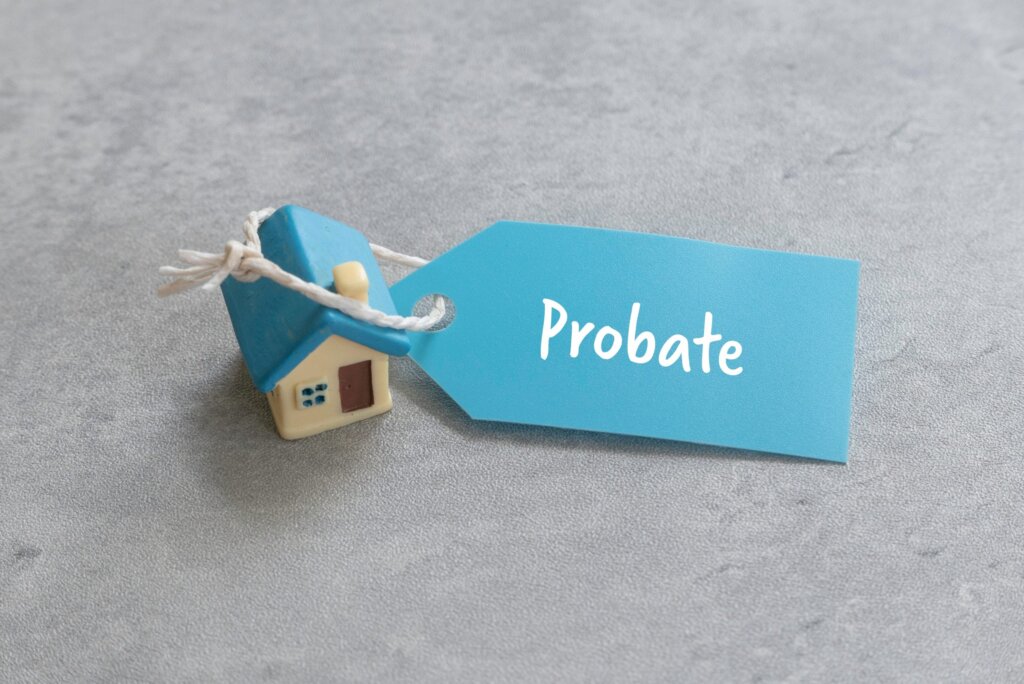
Yes, you can sell a house in probate in North Highlands, IN, but there are specific steps you must follow to make the sale legally valid.
Overview of Selling in Probate
When a person passes away, their property may be tied up in probate until the legal heirs or designated executor have the necessary permissions. Generally, the executor or administrator of the estate is tasked with managing the sale of the property, but they must follow the legal guidelines of the probate court.
Key Factors That Influence the Sale
- Executor or Administrator Role: The executor (if there is a will) or administrator (if there is no will) is responsible for managing the sale of the probate property. They must act in the best interest of the estate and beneficiaries.
- Court Approval: In most cases, the sale of a probate property requires court approval, which is the most important factor that influences the sale.
The Probate Process in North Highlands, IN: Key Steps to Know
Selling a house in probate involves several legal steps, which must be followed carefully. Here’s a detailed look at the steps in the probate process:
Step 1: Initiating Probate
The probate process begins after the death of the property owner. The first step is to file a petition with the probate court in North Highlands, IN. This petition serves to open the probate estate and allows for the appointment of an executor or administrator who will handle the estate. If the decedent had a valid will, the court will typically appoint the executor named in the will. For more information on how the probate process works in Indiana, refer to the Indiana Probate Code.
Step 2: Appointing an Executor
Once the court opens the probate case, the executor is granted the legal authority to manage the estate. This involves collecting the decedent’s assets, paying debts, and distributing the remaining assets to heirs and beneficiaries. The executor also takes responsibility for selling the decedent’s property, including any real estate.
Step 3: Obtaining Court Approval for Sale
Before the property can be sold, the executor must obtain permission from the probate court. This is usually necessary because the court needs to ensure that the sale is in the best interest of the estate and all parties involved. The court approval is also required to validate the sale and ensure that the heirs’ rights are respected.
Step 4: Finalizing the Sale
Once the property is sold, the sale must be finalized. The proceeds are used to settle any remaining debts, including taxes and outstanding bills, before being distributed among the heirs or beneficiaries. The executor will also provide a final accounting of all actions taken during the probate process.
How to Sell a House in Probate in North Highlands, IN
Selling a house in probate requires specific steps and attention to detail. Here’s a step-by-step guide to help you navigate the process.
Step 1: Check the Will and Inheritance Status
Before you can begin the sale, you must verify that the property is indeed part of the estate and check if there are any specific instructions in the will regarding the property. If the decedent left a will, it may outline who is entitled to the property or how it should be handled. If no will exists, state laws determine who has legal rights to the property.
Step 2: Obtain the Required Court Permission
Once the probate estate is opened, the executor (or administrator) will need to obtain a court order to sell the property. The court typically requires the executor to file a petition requesting permission to sell the house. In some cases, the court may require that the property be appraised before proceeding with the sale.
Step 3: Market the Property
Once court approval is obtained, the property can be marketed for sale. At this point, you can list the house for sale with a real estate agent, sell it privately, or even consider selling to cash home buyers. Selling through traditional channels may take longer, while cash buyers can offer a faster and simpler alternative.
Step 4: Negotiating the Sale
Once potential buyers have shown interest in the property, the executor will negotiate the terms of the sale. It’s important to ensure that the sale price reflects the property’s market value, which may involve getting an appraisal. After agreeing on terms, the sale must be presented to the probate court for approval.
Step 5: Closing the Deal
After the court approves the sale, the closing process can begin. All necessary documents, such as the deed and final accounting, must be completed. The proceeds from the sale will then be used to pay off any debts, and the remainder will be distributed to the heirs according to the will or state law.
Common Challenges When Selling a House in Probate
Selling a house in probate can be complicated, and there are several challenges you may face during the process.
Delays in Court Approval
One of the most common challenges when selling a probate property is delays in obtaining court approval. The process can take several months, and any disputes or complications can delay approval even further.
Disagreements Among Heirs
Family disputes over the sale of a probate property can arise, especially if heirs disagree on how to handle the property or how to divide the proceeds from the sale. This can slow down the process and cause emotional stress for everyone involved.
Property Maintenance
Another challenge is maintaining the property while it is in probate. The house may require repairs, cleaning, or maintenance to make it marketable, and the executor is responsible for handling these tasks. If the estate does not have the funds to make these repairs, it can affect the sale price.
What Documents Do You Need to Sell a House in Probate?
When selling a house in probate, several legal documents are required to complete the transaction. Here is a list of essential documents you will need:
| Document | Description |
|---|---|
| Death Certificate | Verifies the death of the property owner. |
| Will (if applicable) | States the decedent’s wishes regarding property distribution. |
| Letters of Administration | Legal document that grants the executor the authority to act. |
| Court Approval for Sale | Written consent from the court to sell the property. |
| Property Title/Deed | Proof of ownership for the property being sold. |
These documents must be provided to ensure that the sale is legally valid and that all parties involved are properly represented.
Additionally, it’s important to understand the potential estate tax implications when selling a probate property. The IRS provides guidelines on how estate taxes may impact the sale of inherited assets.
How Long Does the Probate Process Take in North Highlands, IN?
The probate process in North Highlands, IN, can vary depending on several factors, but on average, it takes about six months to a year to complete. However, certain factors can cause delays, such as:
- Complications with the Will: If there is ambiguity in the will, or if someone contests it, the process may take longer.
- Outstanding Debts: If the estate has significant debts or tax liabilities, it can slow down the process.
- Disputes Among Heirs: Family disputes can delay the sale and distribution of the estate.
The process may be faster if there is a clear will and minimal disputes, but it’s essential to be patient throughout the process.
Is It Worth Selling a House in Probate?
Selling a house in probate has both benefits and drawbacks. Here’s a quick overview:
Benefits of Selling a Probate Property
- Liquidates Assets: Selling the property allows for the liquidation of assets to settle debts and distribute the estate.
- Avoids Property Maintenance: If the house is in poor condition, selling it can save the estate from costly repairs and maintenance.
- Faster Resolution: Selling the property can expedite the probate process, allowing heirs to receive their inheritance sooner.
Drawbacks of Selling a Probate Property
- Time-Consuming: The probate process can be lengthy, causing delays in selling the property.
- Legal Costs: Probate proceedings can be expensive, especially if there are disputes or complicated assets.
- Emotional Stress: Selling a family home can be emotionally taxing, especially if there are disagreements among heirs.
Alternatives to Selling a Probate Property
If you’re not sure about selling a probate property through traditional methods, here are some alternatives:
Selling to Cash Home Buyers
Selling to cash home buyers is often the fastest and easiest way to sell a house in probate. Cash buyers can close quickly, and you don’t have to worry about repairs or listing the property. This is an excellent option if you need to sell the property as-is and fast.
Selling Through an Estate Sale
In addition to selling the house, an estate sale may be necessary to liquidate other assets. If you choose this route, the proceeds from the sale of personal property can help cover the costs associated with selling the home.
Frequently Asked Questions (FAQs)
Q. Can I Sell My House in Probate Without Court Approval in North Highlands, IN?
No, in North Highlands, IN, you cannot sell a house in probate without court approval. The court ensures that the sale is fair and aligns with the best interests of the estate.
Q. How Much Does It Cost to Sell a Probate Property in North Highlands, IN?
Selling a probate property in North Highlands, IN, involves court fees, legal and attorney fees, property taxes, and real estate commissions. Costs vary depending on the estate’s complexity.
Q. What Happens If Heirs Disagree About Selling a House in Probate in North Highlands, IN?
If heirs disagree on selling a house in probate, it can cause delays. Mediation or court intervention may be required to resolve disputes before the sale can proceed.
Q. Do I Pay Taxes on the Sale of a Probate Property in North Highlands, IN?
Yes, taxes may be owed when selling a probate property in North Highlands, IN. It’s important to consult with a tax professional to understand your specific tax obligations.
Q. Can I Sell a Probate House As-Is in North Highlands, IN?
Yes, you can sell a probate house as-is in North Highlands, IN. Many cash home buyers purchase probate properties in their current condition, eliminating the need for repairs.
Q. How Long Does the Probate Process Take in North Highlands, IN?
The probate process in North Highlands, IN, typically takes 6 months to a year. Factors such as family disputes, asset complexity, and legal issues can influence the timeline.
Conclusion
Selling a house in probate in North Highlands, IN, can be a complex process, but with the right guidance, it can be managed efficiently. By understanding the probate process, ensuring all necessary documents are in place, and being prepared for potential challenges, you can successfully navigate the sale of a probate property. Whether you decide to sell through traditional methods or explore selling to cash home buyers, Indiana Home Solutions LLC is here to assist you every step of the way. Our team can provide expert advice, legal support, and a smooth transaction process to help you sell your probate property quickly and with minimal stress. Contact Indiana Home Solutions LLC today to learn more about how we can help you sell your house in probate in North Highlands, IN.