

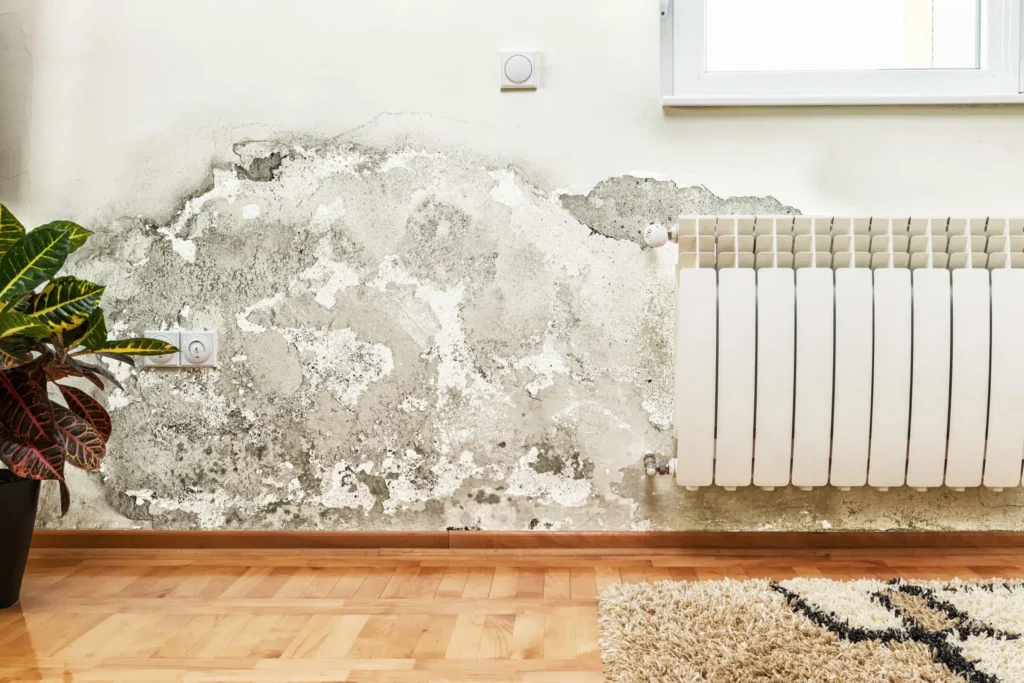
Finding mold does not automatically mean you must fix the house before selling it.
Fort Wayne homeowners can remediate and list traditionally, list the property as-is, or sell directly to a buyer willing to handle cleanup and repairs. The right choice depends on the severity, cause, repair costs, timeline, and expected net proceeds.
Quick Answer
Yes, you can sell a house with mold problems in Fort Wayne, IN. You do not always have to complete mold remediation first. Some homeowners repair the problem before listing, while others sell as-is. The best option depends on the source and severity of the mold, repair costs, financing concerns, your timeline, and expected net proceeds.
Can You Sell a House With Mold in Fort Wayne?
Yes. Mold does not automatically prevent a home from being sold.
The main questions are how much of the house is affected, what caused the moisture, whether the source has been corrected, what remediation may cost, and whether repairing first would improve your net proceeds.
A small area caused by an old leak is very different from widespread mold in a basement, attic, crawl space, or several rooms. The severity can affect buyer interest, inspections, financing, and how the property should be marketed.
If your home has several repair issues beyond mold, review our guide to selling a house as-is in Fort Wayne.
Why Mold Problems Start With Moisture
Mold is usually a moisture problem before it is a cosmetic problem.
The U.S. Environmental Protection Agency explains that moisture control is the key to mold control. Cleaning visible growth without correcting the moisture source may allow the problem to return.
Common causes include roof or plumbing leaks, basement seepage, foundation moisture, poor ventilation, condensation, wet crawl spaces, appliance failures, and previous flooding.
Buyers may look beyond the visible mold. They may want to know what caused it, whether the source was fixed, and whether damaged materials need removal or replacement.
If the mold developed after flooding, a failed sump pump, a leaking pipe, or another major water event, see our guide to selling a house with water damage in Fort Wayne.
Do You Have to Remove Mold Before Selling?
Not always.
Whether remediation makes sense depends on the severity of the problem, the rest of the home’s condition, your budget, and how you plan to sell.
Remediation May Make Sense When:
- The affected area is limited.
- The moisture source has been corrected.
- The rest of the property is in good condition.
- You have time and repair funds.
- The expected increase in net proceeds justifies the cost.
Selling As-Is May Make More Sense When:
- Mold affects several areas.
- The moisture source needs major repairs.
- The house has other expensive problems.
- The property is inherited, vacant, or hard to manage.
- You want to avoid coordinating contractors.
- The cost and uncertainty of remediation may outweigh the likely return.
Do not assume that painting over mold is a repair. The underlying moisture problem still matters, and affected materials may require proper cleaning or removal.
How Mold Can Affect a Traditional Home Sale
A house with mold can still be listed, but the transaction may become more complicated.
Inspections and Negotiations
A buyer or inspector may notice:
- Visible growth
- Musty odors
- Water staining
- Damaged drywall
- Damp basement walls
- Rotting materials
- Signs of old leaks
That may lead to further inspections, remediation estimates, repair requests, or seller credits.
Financing Concerns
The effect on financing depends on the condition of the property and the buyer’s loan program.
A small corrected issue may have little impact. Widespread unresolved mold, active moisture, damaged building materials, or safety concerns can create more difficulty if a lender, appraiser, insurer, or buyer requires repairs before closing.
A Smaller Buyer Pool
Many retail buyers want a home that is ready to occupy. A property needing major mold remediation may appeal more to investors, renovation buyers, contractors, landlords, or direct cash buyers.
That does not mean the home has no value. It means the price and marketing strategy should reflect the property’s current condition.
What Should You Disclose About Mold When Selling in Indiana?
Selling a house as-is does not automatically eliminate a seller’s disclosure responsibilities.
Indiana generally requires sellers of many one-to-four-unit residential properties to complete a Seller’s Residential Real Estate Sales Disclosure Form before accepting an offer, although exemptions can apply depending on the type of transfer. The disclosure is based on the seller’s current actual knowledge of the property’s physical condition.
Indiana’s Real Estate Commission adopted an updated Seller’s Residential Real Estate Sales Disclosure Form, State Form 46234 (R9/2-26) in March 2026. Homeowners preparing to sell should make sure they are using the current form and should review their specific disclosure obligations with an appropriate professional when necessary.
If you know about mold, recurring moisture, previous water intrusion, or remediation work, keep any useful records you have, such as:
- Inspection reports
- Mold remediation invoices
- Contractor estimates
- Plumbing repair records
- Roof repair invoices
- Waterproofing records
- Insurance documents
- Photos
- Moisture reports
- Previous home inspection reports
Do not assume that adding the words “as-is” to a purchase agreement removes every disclosure obligation.
Because disclosure requirements can vary by property and transaction, homeowners with questions should consider speaking with a qualified Indiana real estate attorney or real estate professional before completing the disclosure paperwork.
This article provides general homeowner information and is not legal, tax, or financial advice.
Should You Get a Mold Inspection Before Selling?
Not every seller needs mold testing just because a visible spot is present.
The better question is whether professional evaluation will help you make a better selling decision.
A professional opinion may be useful if you do not know how extensive the problem is, suspect hidden mold, have long-term basement or crawl-space moisture, or want repair estimates before comparing options.
If mold is already visible, identifying the moisture source and scope of damage may be more useful than ordering unnecessary testing.
Why Mold Problems Can Be Different in Fort Wayne Homes
Fort Wayne homes can develop mold in basements, crawl spaces, attics, bathrooms, around windows, and behind drywall.
Older houses, vacant properties, inherited homes, and homes with deferred maintenance may have more than one issue at the same time. A mold problem might be connected to a roof leak, plumbing failure, poor drainage, basement seepage, or long-term humidity.
Long-term moisture can also affect drywall, insulation, flooring, framing, and other materials.
If you are also seeing sagging floors, damaged framing, bowing walls, or other serious building concerns, review our guide to selling a house with structural damage in Fort Wayne.
How to Sell a House With Mold in Fort Wayne
1. Write Down What You Know
Note where the mold appears, how long it may have been present, known leaks or flooding, repairs already completed, and any areas with recurring moisture.
2. Stop Active Water Problems When Practical
If a pipe, roof, appliance, or other source is still leaking, addressing it may help prevent further damage while you decide how to sell.
3. Get Professional Estimates if You Are Considering Repairs
If you plan to remediate, ask qualified contractors for written estimates. Avoid making a large repair decision based only on a guess.
4. Gather Important Documents
Collect inspection reports, repair records, insurance documents, photos, mortgage information, and any previous remediation paperwork.
5. Estimate the Repair-and-List Outcome
Start with the expected sale price after repairs, then subtract:
- Mold remediation
- Moisture-source repairs
- Other repairs
- Realtor compensation if applicable
- Seller concessions
- Closing expenses
- Property taxes
- Insurance
- Utilities
- Lawn care
- Other holding costs
The result is closer to your estimated net proceeds.
6. Get an As-Is Listing Opinion
A local real estate agent can explain what the home may sell for in its current condition and whether the property is likely to attract financed buyers.
7. Compare Direct Offers if Appropriate
If you do not want to complete remediation, you can also request written offers from buyers willing to purchase damaged homes.
Compare terms, not just price.
8. Review the Agreement Carefully
Look at inspection rights, cancellation clauses, assignment language, earnest money, closing-cost responsibilities, and due-diligence periods.
9. Complete Title and Closing Work
Mold is only one part of a real estate transaction. Liens, probate issues, judgments, ownership problems, or other title defects can still delay closing.
If title is also a concern, see our guide to selling a house with title problems in Fort Wayne.
Compare Your Options for Selling a House With Mold
| Factor | Remediate & List | List As-Is | Sell By Owner | Direct Cash Sale |
|---|---|---|---|---|
| Upfront repairs | Often higher | Usually lower | Seller decides | Often limited |
| Buyer pool | Potentially largest | Smaller | Depends on marketing | Specialized |
| Showings | Usually yes | Usually yes | Seller manages | Often limited |
| Financing risk | Possible | May be higher | Depends on buyer | No buyer mortgage when truly cash |
| Price potential | Often highest gross | Condition-adjusted | Varies | Reflects repairs and buyer risk |
| Preparation | Usually greatest | Moderate | Seller manages | Often less |
| Best fit | Owners with time and repair funds | Marketable homes sold in current condition | Experienced sellers | Owners prioritizing less repair work |
A repaired traditional sale may produce the highest gross price. A direct cash offer may be lower because the buyer is accounting for remediation, repairs, holding costs, resale risk, and transaction expenses.
Compare expected net proceeds along with the time, effort, and uncertainty involved.
A Realistic Fort Wayne Mold-Damage Example
Consider a hypothetical Fort Wayne homeowner with an older house and a slow plumbing leak near the basement ceiling.
By the time the leak is found, there is visible mold on drywall and nearby framing. The basement also becomes damp after heavy rain.
The owner could repair the plumbing, investigate the basement moisture, complete mold remediation, replace damaged materials, repaint, and then list the house.
That route may produce a higher sale price if the repairs are manageable and the rest of the property is in good condition.
But the owner should compare the full cost, including remediation, plumbing, possible drainage work, contractor delays, utilities, insurance, property taxes, and selling expenses.
The homeowner could then compare that estimated net result with an as-is listing estimate and written direct-purchase offers.
If repairs create meaningfully higher net proceeds and the owner has time, fixing the property may make sense. If the work is extensive and the owner values avoiding contractors and uncertainty, selling as-is may be more practical.
Common Mistakes to Avoid
Fixing Only What You Can See
Visible mold may return if the moisture source remains.
Overspending Before Estimating the Return
Do not assume every dollar spent on remediation will increase the final sale proceeds by the same amount.
Comparing a Cash Offer With a Future List Price
Compare net proceeds after repairs, holding costs, commissions or compensation, concessions, and other expenses.
Hiding Known Problems
Selling as-is should not be treated as permission to conceal known defects.
Choosing a Buyer Only by Headline Price
Review proof of funds, inspection rights, assignment clauses, cancellation terms, earnest money, and closing expenses.
Questions to Ask a Cash Buyer
Before signing, consider asking:
- Are you the actual buyer?
- Can the contract be assigned?
- Can you provide proof of funds?
- Is there an inspection or due-diligence period?
- When can you cancel?
- Is earnest money included?
- Who selects the title company?
- Which closing costs will I pay?
- Can the offer change after the walkthrough?
- How will the mold condition affect the offer?
- Is the purchase dependent on financing or another buyer?
- What amount should I expect to receive at closing?
Frequently Asked Questions
Can You Sell a House With Mold in Fort Wayne, IN?
Yes. You can remediate first, list the property as-is, or sell directly to a buyer willing to handle the work. The best choice depends on the severity of the mold, repair costs, the home’s overall condition, your timeline, and expected net proceeds.
Do I Have to Remove Mold Before Selling a House in Indiana?
Not necessarily. Some sellers complete remediation before listing, while others sell as-is. However, Indiana sellers should review applicable disclosure requirements for known property conditions and get professional guidance when they are unsure what must be disclosed.
Should I Fix Mold Before Selling or Sell the House As-Is?
It depends on the numbers. Repairs may make sense when remediation is manageable and likely to increase net proceeds. Selling as-is may be better when mold is extensive, other repairs are needed, or you want to avoid contractor costs and delays.
Does Mold Make a House Harder to Sell?
It can. Mold may reduce buyer interest, lead to additional inspections, create repair negotiations, or complicate financing in some situations. The effect depends on the severity, source of moisture, repairs needed, and overall condition of the property.
Can a Cash Buyer Purchase a House With Mold in Fort Wayne?
Yes, some cash buyers purchase houses with mold and handle remediation after closing. Compare written offers carefully and ask about inspections, cancellation rights, assignment clauses, proof of funds, and whether the offer can change after the property is evaluated.
Want to Sell a Fort Wayne House With Mold As-Is?
If you want to sell without completing mold remediation or preparing the property for a traditional listing, Indiana Home Solutions LLC can review the home’s current condition and provide a no-obligation local cash offer.
Compare the written offer with the cost of repairs, an as-is listing estimate, and your other options. The best choice is the one that fits your expected net proceeds, timeline, and priorities.