

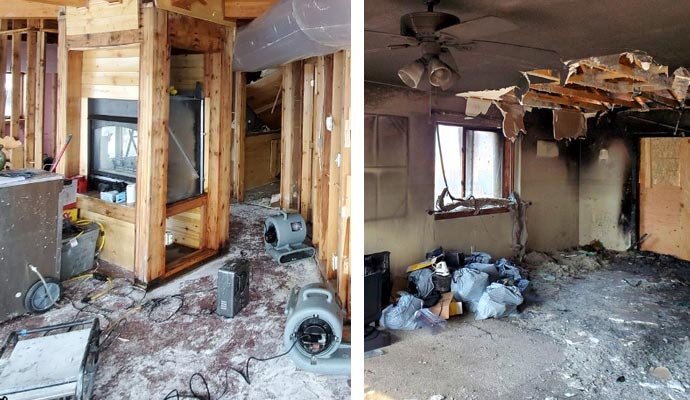
Fire Damage vs. Water Damage: How Each Affects a Fort Wayne Home Sale
Fire and water damage can both make a Fort Wayne house harder to sell, but they create different safety concerns, inspection needs, repair decisions, and insurance questions.
A house affected by fire may have smoke contamination, damaged wiring, weakened framing, or water damage caused by firefighting efforts. A water-damaged property may have hidden moisture, mold, damaged flooring, basement problems, or deterioration behind walls.
Understanding these differences can help you decide whether to repair the property, list it as-is, or sell directly to a buyer who accepts damaged houses.
Quick Answer
You can sell a house with fire or water damage in Fort Wayne without completing every repair. The best option depends on the damage, insurance claim, mortgage, repair budget, property safety, and desired timeline. Repairing may support a higher retail price, while an as-is sale may reduce preparation, contractor management, showings, and financing uncertainty.
How Do Fire and Water Damage Affect a Home Differently?
Fire and water damage may occur during the same incident, but buyers evaluate them differently.
A kitchen fire, for example, may damage cabinets and appliances while spreading smoke through the HVAC system. Water used to extinguish the fire may then soak flooring, drywall, insulation, and framing.
A burst pipe or basement flood may not leave burned materials, but moisture can travel into areas that are difficult to inspect. If the source is not corrected, the damage may continue after the visible water is gone.
Here is a practical comparison:
| Factor | Fire Damage | Water Damage |
|---|---|---|
| Common hidden problems | Smoke, soot, wiring damage, weakened framing | Mold, rot, trapped moisture, damaged insulation |
| Immediate concern | Safety and structural stability | Stopping the water source and drying the property |
| Common documentation | Fire report, insurance records, contractor assessments | Moisture reports, plumbing records, remediation documents |
| Buyer concern | Habitability, electrical safety, structural condition | Recurring leaks, mold, drainage and foundation issues |
| Insurance question | Cause of fire, coverage limits and repair requirements | Whether damage came from a covered leak or excluded flooding |
| Financing challenge | Serious safety or structural defects | Active leaks, mold, damaged systems or uninhabitable areas |
| Possible selling path | Repair, list as-is, or sell directly | Repair, list as-is, or sell directly |
Neither type of damage automatically makes a house unsellable. The condition simply changes which buyers may be interested and what information they need before making an offer.
Homeowners dealing specifically with fire damage can read the complete guide to selling a fire-damaged house in Fort Wayne. For leaks, flooding, mold, or moisture problems, see the detailed guide to selling a house with water damage in Fort Wayne.
What Should You Do Before Marketing a Damaged House?
The first priority is preventing injury and additional property damage. Do not enter a fire-damaged or structurally unstable building until the appropriate emergency personnel or qualified professionals have determined that entry is safe.
Once the immediate danger has passed, take the following steps.
1. Identify What Caused the Damage
The cause can affect insurance coverage, repair recommendations, buyer interest, and the possibility of the problem happening again.
Possible causes include:
- Cooking or electrical fires
- Furnace or appliance fires
- Burst or frozen pipes
- Roof leaks
- Failed water heaters
- Sewer backups
- Surface flooding
- Foundation seepage
- Water used during firefighting
Do not assume that all water damage is treated as flooding. FEMA’s National Flood Insurance Program explains that most standard homeowners policies do not cover flood damage, while water from a burst pipe or roof leak may be handled differently under a homeowners policy. Review the actual policy and claim with the insurer rather than relying on a general rule.
2. Prevent Additional Damage When Safe
Reasonable steps may include stopping a leak, securing an exposed opening, arranging water extraction, or preventing unauthorized entry. Ask the insurance company what protective measures are permitted before starting demolition or permanent repairs.
For water-damaged properties, moisture control matters. The Environmental Protection Agency advises homeowners to correct the moisture source and dry affected materials promptly because mold growth is connected to continuing moisture. Porous materials may require removal when mold cannot be cleaned completely.
3. Gather the Available Records
Useful documentation may include:
- Insurance policy and claim number
- Fire department incident report
- Photographs and videos
- Contractor estimates
- Structural or electrical assessments
- Plumbing invoices
- Moisture or mold reports
- Completed repair receipts
- Mortgage payoff information
- Utility records
- Code or building department notices
You do not need every item before requesting an offer, but organized records make it easier for agents, buyers, insurers, and closing professionals to understand the property.
Can You Sell While an Insurance Claim Is Still Open?
A sale may be possible while an insurance claim remains open, but the homeowner should clarify how the claim and proceeds will be handled before signing a purchase agreement.
Important questions include:
- Has the insurer accepted or denied the claim?
- Has an adjuster inspected the property?
- Has any payment already been issued?
- Is the payment based on actual cash value or replacement cost?
- Does the policy require completed repairs before additional funds are released?
- Is there a mortgage on the property?
- Who will remain entitled to unresolved claim proceeds after closing?
- Does the purchase agreement address the open claim?
When a mortgage exists, an insurance settlement check is commonly issued to both the homeowner and the mortgage servicer or lender. The servicer may release funds in stages as repairs are completed. The payout should not be treated as money controlled only by the homeowner without reviewing the mortgage and claim terms.
Speak with the insurer, mortgage servicer, title company, and an Indiana attorney when necessary. Avoid agreeing to transfer or assign insurance rights without understanding the legal and financial consequences.
Do You Have to Disclose Fire or Water Damage in Indiana?
Indiana law generally requires sellers of one-to-four-unit residential properties to complete a residential real estate sales disclosure form concerning the property’s known physical condition. Some transactions may be exempt, so the requirements should be confirmed for the specific sale.
The official Indiana Seller’s Residential Real Estate Sales Disclosure Form includes questions covering structural systems, water and sewer systems, hazardous conditions, roof leaks, moisture, and other known defects.
An as-is clause does not automatically erase applicable disclosure responsibilities. Explain known damage honestly, provide available documentation, and ask an agent, title company, or attorney which forms apply.
This article provides general homeowner information and is not legal, insurance, tax, or financial advice. Property owners should consult qualified professionals about their specific property, policy, mortgage, disclosure obligations, and transaction.
What Selling Options Do Fort Wayne Homeowners Have?
The right choice depends on the cost of restoring the house, the likely post-repair value, the insurance situation, and how much time and money the homeowner can invest.
Option 1: Complete Repairs and List Traditionally
Repairing may be worthwhile when:
- The damage is limited
- Insurance covers much of the work
- The structure remains sound
- Reliable contractors are available
- The homeowner can manage the project
- The likely increase in net proceeds justifies the expense and delay
A repaired property may qualify for more financing options and attract a larger pool of owner-occupant buyers. However, the homeowner must consider the deductible, uncovered work, contractor delays, mortgage payments, insurance, utilities, taxes, cleanup, agent compensation, concessions, and possible inspection negotiations.
Option 2: List the House As-Is With an Agent
An agent may market the property without requiring the seller to complete major renovations. This creates broader market exposure than selling privately, but buyers may still request inspections, price reductions, credits, or contract contingencies.
An as-is listing can work when:
- The property is safe enough to show
- The seller has time to market it
- The condition is clearly documented
- Local investors or renovation buyers may compete
- The homeowner accepts that financing could limit the buyer pool
Option 3: Sell Directly to a Cash Buyer
A direct buyer may purchase the property in its current condition and complete repairs after closing. This may be practical when the home has extensive damage, the owner lacks renovation funds, the property is vacant, or managing contractors would create too much difficulty.
A direct offer may reflect:
- Current property condition
- Estimated repairs
- Recent comparable sales
- Probable value after renovation
- Holding and transaction expenses
- Resale uncertainty
- The buyer’s required margin
The offer may be lower than the possible retail price of a fully restored home. The meaningful comparison is the seller’s estimated net proceeds, obligations, contract risk, and timeline—not the headline prices alone.
Homeowners considering this option can review how the direct home-buying process works and the broader guide to selling a house as-is in Fort Wayne.
How Should You Compare the Offers?
Create a simple worksheet for each selling option.
Repair-and-List Estimate
Start with the expected sale price and subtract:
- Repairs and cleanup
- Insurance deductible
- Uncovered damage
- Agent compensation
- Seller concessions
- Closing expenses
- Mortgage payments during repairs and marketing
- Property taxes
- Insurance premiums
- Utilities and lawn care
- Temporary security or boarding
- Moving and debris-removal costs
As-Is Offer Estimate
Start with the written offer and subtract:
- Seller-paid closing costs
- Unpaid property taxes
- Mortgage payoff
- Liens or judgments
- Buyer-requested credits
- Any contractually required cleanup
- Other fees shown in the agreement
Ask the title or closing company for an estimated settlement statement before closing whenever possible. That document provides a clearer picture of the amount expected after mortgages, liens, taxes, and transaction expenses are paid.
A Realistic Fort Wayne Damage-Sale Scenario
Consider a hypothetical owner of an older two-story house in central Fort Wayne. A kitchen fire damages cabinets, wiring, and part of the ceiling. Firefighting water also reaches the room below, creating wet drywall and flooring.
The insurer is reviewing the claim, but the owner still has a mortgage and does not live near the property.
The owner compares two paths.
With the repair-and-list option, the owner would need to coordinate the insurer, mortgage servicer, electrician, restoration company, drywall contractor, flooring installer, and real estate agent. The home might later appeal to retail buyers, but the owner would continue paying taxes, insurance, utilities, and maintenance during the work.
With a direct sale, the owner receives a lower offer than the projected value of the fully repaired house, but avoids funding uncovered repairs and managing the restoration. The purchase agreement also allows enough time to clarify the insurance claim and title requirements.
There is no universally correct choice. The better option depends on the owner’s likely net proceeds, available cash, time, risk tolerance, and willingness to manage the property.
What Should You Ask a Cash Buyer?
Before accepting an offer for a damaged house, ask:
- Are you the actual buyer?
- May the agreement be assigned to another investor?
- Can you provide current proof of funds?
- Is there a due-diligence or inspection period?
- Under what conditions can the buyer cancel?
- Could the offer change after the walkthrough?
- Who selects the title or closing company?
- Which closing expenses will each party pay?
- Is earnest money included?
- Can damaged belongings remain?
- How will an open insurance claim be addressed?
- What amount should I expect to receive at closing?
Review the company, contract, and proof of funds instead of relying only on advertising. This Fort Wayne cash-buyer red-flags guide explains additional precautions.
Common Mistakes to Avoid
Entering an Unsafe Property
Do not enter a building that may have structural, electrical, fire, contamination, or collapse hazards without appropriate clearance.
Starting Major Work Before Contacting the Insurer
Removing damaged materials before documentation or inspection could complicate a claim. Ask the insurer what photographs, inventories, reports, and approvals are needed.
Assuming Every Type of Water Damage Is Covered
Flooding, sewer backups, gradual leaks, and burst pipes may be treated differently. Confirm the cause and applicable policy.
Comparing an Offer With a Future Retail Price
A projected repaired value is not the same as the seller’s net proceeds. Include all expenses, delays, and risks.
Concealing Known Damage
Undisclosed problems can create disputes and closing complications. Answer required disclosure questions accurately.
Signing a Contract Without Reviewing Contingencies
Pay attention to cancellation rights, inspection periods, assignment clauses, closing expenses, insurance language, and deadlines.
Frequently Asked Questions
Is fire damage harder to sell than water damage in Fort Wayne?
Not necessarily. Fire damage may raise structural, electrical, smoke, and safety concerns, while water damage may involve mold, hidden moisture, recurring leaks, or drainage problems. The difficulty depends more on severity, documentation, financing eligibility, and repair uncertainty than on the type of damage alone.
Can I sell a damaged house while the insurance claim is open?
Possibly. The sale must account for the claim status, mortgage servicer’s interest, payments already issued, policy requirements, and who will retain the right to any remaining proceeds. Discuss the proposed sale with the insurer, servicer, title company, and attorney before signing.
Do I need an inspection before selling a fire- or water-damaged house?
An inspection is not always required before requesting an offer, but an assessment may help clarify safety, repair scope, and value. The buyer, lender, insurer, local authority, or closing professional may request specific reports depending on the property and transaction.
What documents help sell a damaged house in Fort Wayne?
Helpful records include insurance correspondence, photographs, fire reports, repair estimates, inspection reports, invoices, mold or moisture reports, code notices, mortgage information, and receipts for completed work. Available documentation can reduce uncertainty and help buyers evaluate the property more accurately.
How do I compare a cash offer with repairing and listing?
Compare estimated net proceeds rather than the offer and list prices alone. Subtract repairs, commissions, concessions, closing expenses, insurance deductibles, holding costs, taxes, utilities, and mortgage payments from the expected retail sale price. Then compare the result with the terms and estimated proceeds of the cash offer.
When a Direct As-Is Sale May Make Sense
Repairing and listing may be the better path when the damage is manageable, financing is available, and the likely return justifies the work. Listing as-is may suit an owner who wants market exposure without completing every repair.
For owners who prefer not to manage restoration, showings, or a traditional listing, Indiana Home Solutions LLC can review a fire- or water-damaged property and provide a no-obligation local cash offer. Compare the written offer with your other options and select the approach that best fits your finances, responsibilities, and timeline.